

Friends you haven’t yet met
Greg Sanders writes
Dear reader, what was your teenage band called?
Mine was called Something Simple. It was an 8-headed hydra, playing funk, reggae, bits of jazz, hip-hop, drum and bass, we formed at secondary school in 2003, I was 14. Your classic youthful festival band vibes.
I lucked out in that three of my bandmates had legit session musician dads. Nothing quite like the sight of three battle-hardened rhythm section veterans coolly appraising your tempo consistency and rhythm-section “lock” from just behind all your excitable school friends, to keep you focused on craft and precision.
Some of my Something Simple bandmates are also still musicians today – London tenor giant Leo Richardson, producer, mixer, bass-player extraordinaire Lester Salmins and drums/percussion maestro Fabio De Oliveira were the lucky children of the rhythm section vets – we share a common thread that goes back to first learning to play ‘Pick Up The Pieces’ and ‘Little Suede Shoes’ together.
At SOAS [School of African and Oriental Studies] my degree had a focus on non-Western or ”world” music. In 2008 I started my degree in Linguistics & Music.
And… what was your wildly impractical large-ensemble spiritual world-jazz passion project?
Teotima launching Counting The Ways – the band had the aforementioned Richardson, Salmins and De Oliveira with Sanders in it.
There was always Latin-American music at home growing up – my Spanish mum loves Cuban music, which together with a few bits of African guitar, had piqued my curiosity enough for me to do this music degree with a focus on non-Western or “world” music.
Living in Dalston

A conscious un-grouping
Something Simple had gone the way of so many teenage bands and undertook a conscious un-grouping, and in 2011 I started a new project called Teotima.
I was living in a house share in Dalston across the road from the venerable Vortex Jazz Club, where I did many shifts behind the bar and saw a lot of incredible music.
Amazing vinyl collections
My housemates had amazing vinyl collections and I was hearing Gil Evans, David Axelrod, Floating Points Ensemble and 60s, 70s groove/soul music with big orchestral arrangements.
Chico Buarque’s Construção is one that really sticks in my memory from that time
I was captivated by all the textural things going on and the particular vibe created by that number of musicians working together to make a such rich compelling, colourful, multi-faceted final experience.
Like a cast of actors putting on an amazing play.
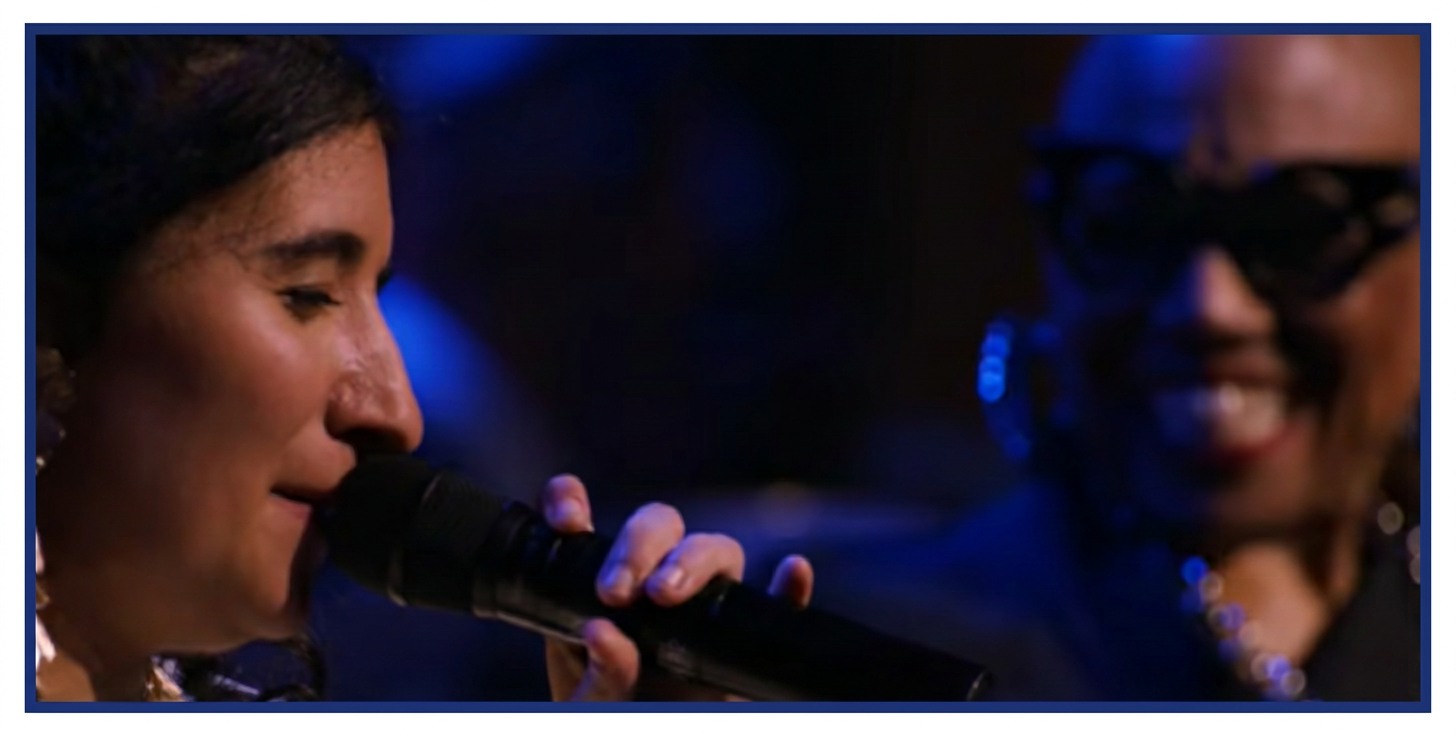
I’d found an unbelievable singer in one of my SOAS coursemates, Ellie Rose Rusbridge.
HAUNTINGLY AFFECTING
I wanted to make something to take advantage of Ellie’s hauntingly affecting yet precise delivery, lyrics, intonation and vocal tone and to let her voice luxuriate in big lush horn & string arrangements, compelling Latin-American and West-African inspired grooves and jazz-style solos, improv and orchestration.
I also wanted to do instrumental compositions with immersive sound-worlds and a big narrative experience without lyrics
We released the debut Teotima LP Counting The Ways in 2013, on First Word Records, and followed it up with Weightless in 2019.
Desire for weird jazzy chords and harmony
Envious for a while of my friends who had done practical conservatoire music degrees, I managed to get on the Royal Academy of Music jazz MA course, and spent 2016-2018 studying there, learning invaluable lessons on composition & arranging, and getting stuck in to the task of trying to be a jazz guitarist, without really knowing what that meant.
I knew that I wanted to be able to deal with weird jazzy chords and harmony, improvise cool stuff, play good solos, and generally be employable on other peoples’ projects.
There were also big gaps in my musical knowledge that needed filling in.
For my RAM final recital I put together a quartet called Hyphae (pronounced.. yes you guessed it – “hi-fi”).
I wrote some tunes using different Brazilian rhythms that I loved and played them with various super talented friends – Sam Rapley, Robin Porter, Ben Brown, Matt Parkinson, Greg Gottlieb, Fabio De Oliveira and Will Harris all stepped up and smashed it at various times.
After finishing the MA in 2018, and releasing Weightless in 2019, I was ready to stride on into… Covid.
Eureka with Juanita
In a strange twist of fortune, the big Covid pandemic lockdown provided an opportunity for Juanita Euka and I to make her debut album Mabanzo, which we had started writing songs for probably 10 years previously, when we were both playing in a band called Wara.
Around this time I also recorded my first LP as a “leader” in the jazz sense of leading the ensemble, playing the melodies, taking lots of solos. This was with bass player Tom Herbert and drummer George Bird.
We played exclusively covers / versions of existing tunes – some Nick Drake, some Abdullah Ibrahim, some Caetano Veloso.
It was an exciting but somewhat terrifying step for me to put myself and my guitar playing in the spotlight.
Stepping on a Tightrope
“I still don’t feel like I fully understand my relationship with the guitar – exactly why I play it, exactly what I want it to sound like when I play, and most of all – whether I’ll be able to execute anything I’m hearing in my head (even simple things) when the instrument is in my hands.
When I imagine picking up a guitar and improvising, I feel a sense of stepping on a tight-rope with a very high likelihood that I’m going to fall off.”
Playing pre-written and practised parts is a much less fraught proposition, though it still usually feels like there’s at least a 5 per cent chance my fingers will randomly play some clangy wrong notes, and leave me trying to musically justify it after the fact.
Any time improvisation is involved, the likelihood of that happening seems to shoot up to about 50 per cent.
Losing Myself in the Music
On the flip-side, the experience of losing myself in the music during improvisation, things just happening, connecting deeply with the musicians you’re playing with without even realizing what’s happening, is a truly nourishing experience.
I set myself a brief was to write pieces (and identify previous pieces I’d written, but possibly never recorded) that contained two types of tune in one package.
The first tune is a strong melody, ideally singable, with juicy chords and something cool happening in the drums and bass.
The second tune is a springboard for improvisation – just enough information in the writing to inspire improvisation and dialogue, and a form that’s easy to navigate and remember, while still providing interest and surprise.
This is essentially what the standards or Great American Songbook tunes that jazz musicians still love playing are – strong and concise compositional statements, memorable, compelling and emotionally affecting, at the same time providing inspiring foundations for improvisation and re-interpretation.
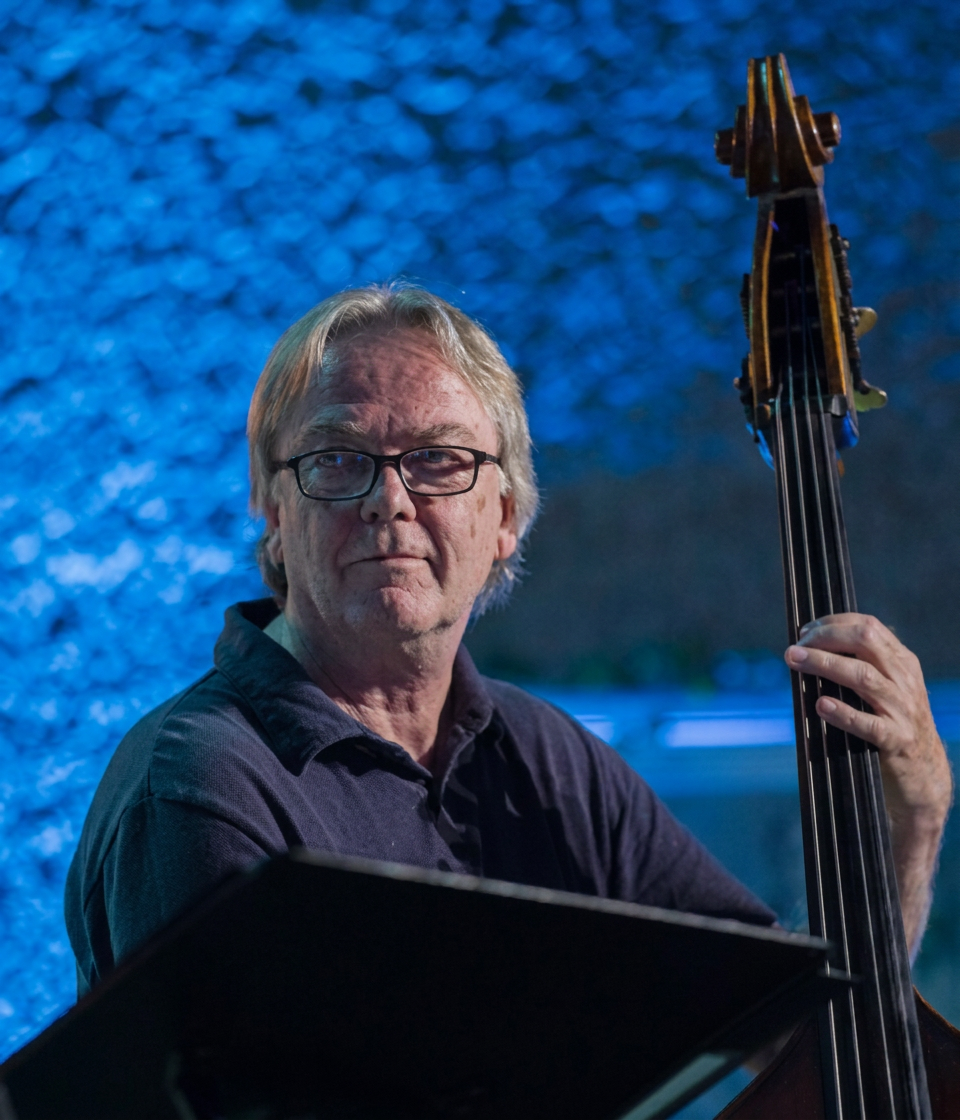
I knew that I wanted Ben, Tom and Sam to play these tunes, because of their amazing range of skills – they’re all incredibly sensitive musicians while also being super creative, adept and knowledgeable about many different grooves and rhythmic concepts from Africa and Latin America, and they all have amazing tones and characters on their instrument.
So I booked us in for 3 days at the Fish Factory with UK jazz recording legend Ben Lamdin (Nostalgia 77) engineering, and we managed to record 16 of the 18 tunes I brought along
This first LP Perfect Strangers is just half of the tunes we did over those 3 days, so there is a second LP on the way.
Lastly – the name ‘Lophae’.
The Frozen Music Podcast

One of the consequences of having an energy limiting chronic illness is a lot of time at home resting, and a lot of TV, films, books and podcasts.
I heard this podcast which talks about making a distinction between “songs” and “performance pieces.”
Listening to the [Frozen Music] episode made me reflect that a lot of my work was towards the ”performance pieces” end of the spectrum. Apparently it was time for me to focus on the ”songs” zone.
You may have noticed the popularity of playlists called something like “lo-fi beats to study to.”
It used to be called Muzak, the name changed but the concept is still around.
The people must have their background music. Give them their background music.
Due to various bizarre facts of the music industry, and the economics of recorded music, it seems that one of the best ways for a musician to make money from streaming platforms is to make music that people don’t actually want to listen to.
By which I mean they want to play it, they want it to be on, they want to hear it, but they don’t really want to listen to it, because they’re doing other stuff.
And the best music for that is music where not much is happening… background music.
So the name Lophae is a little play on “lo-fi”, the concept – low fidelity vs high fidelity, background music, lo-fi beats, lo-fi beats to study, lo-fi beats to study to!
Perfect Strangers is out on Friday







You must be logged in to post a comment.